
 Paul Kushner
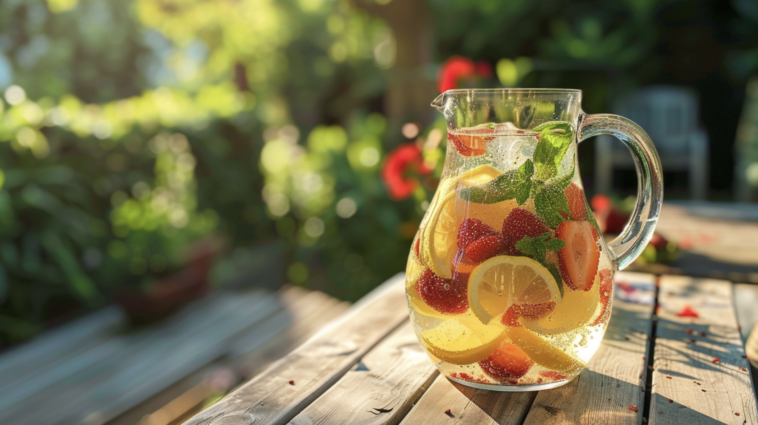
Sunshine, fresh fruit, and chilled cocktails seem to belong together, and that’s exactly why White Wine Sangria remains one of my favorite drinks for gatherings. There is something satisfying about watching colorful slices of peaches, strawberries, oranges, and lemons soak in crisp white wine while the flavors slowly come together. It feels effortless, yet the final result always looks impressive.
Unlike many cocktails that require shaking or careful measuring for each serving, this White Wine Sangria is designed for sharing. Everything goes into one pitcher, making it perfect for backyard parties, brunches, holidays, and casual evenings with friends. The fruit does much of the work, naturally infusing the wine with bright, refreshing flavors.
Why You’ll Love This
White Wine Sangria has remained popular for years because it delivers big flavor with minimal effort. It’s refreshing, colorful, and incredibly versatile. Whether you’re serving six guests or twenty, it scales easily and always looks inviting.
- Easy to make ahead for parties and events
- Packed with fresh fruit flavor
- Perfect for warm weather entertaining
- Requires minimal bartending skills
- Customizable with seasonal fruits
- Great for serving a crowd
One of the biggest advantages of sangria is flexibility. You can adjust the fruit, sweetness, and wine based on what’s available, making it a reliable recipe throughout the year.
Ingredients
The beauty of White Wine Sangria comes from simple ingredients working together. Fresh fruit provides natural sweetness and aroma, while the wine serves as a crisp foundation. A touch of orange liqueur and soda helps tie everything together.
- 3 cups mixed sliced fruit such as strawberries, peaches, oranges, lemons, nectarines, and raspberries
- ¼ cup granulated sugar
- ¼ cup Triple Sec or another orange liqueur
- 1 bottle 750 ml Pinot Grigio (or another crisp white wine)
- 2 cups lemon-lime soda
Choosing ripe fruit makes a noticeable difference. The fruit not only serves as garnish but also contributes flavor directly to the sangria. Peaches and nectarines add sweetness, citrus adds brightness, and berries contribute color and subtle tartness.
Pinot Grigio is a popular choice because of its light body and refreshing acidity, but several other white wines work beautifully as well.
Suggested Liquor Brands and Substitutions
Because sangria relies on wine as its main ingredient, selecting a quality bottle helps create the best results. Fortunately, you don’t need an expensive wine. A crisp, approachable bottle is often ideal.
- Santa Margherita Pinot Grigio: Clean, crisp, and refreshing with citrus notes.
- Cavit Pinot Grigio: Affordable and easy to find for larger gatherings.
- Kim Crawford Sauvignon Blanc: Offers bright citrus and tropical fruit flavors.
- Oyster Bay Sauvignon Blanc: Crisp acidity that works well with fresh fruit.
- Cointreau: A premium substitute for Triple Sec with richer orange flavor.
- Grand Marnier: Adds slightly deeper orange notes and complexity.
If you prefer less sweetness, replace some of the lemon-lime soda with sparkling water. For additional fruit flavor, peach schnapps can replace part of the orange liqueur.
Equipment and Glassware
One reason White Wine Sangria is so popular for entertaining is that it requires very little equipment. Most kitchens already have everything needed.
You’ll need:
A clear pitcher is ideal because it showcases the colorful fruit. Presentation is part of the appeal, and guests love seeing the fresh fruit floating throughout the sangria.
If serving outdoors, consider using stemless wine glasses for added stability.
How to Make It
This recipe rewards patience. While it’s easy to assemble, allowing the sangria time to chill helps the fruit and wine develop deeper flavor.
- Prepare the Fruit:
Wash and slice the strawberries, peaches, nectarines, and oranges. Thinly slice the lemons and any other citrus you’re using to maximize the release of their essential oils.
If you’re using raspberries or other delicate berries, keep them whole to avoid them breaking down too much.
- Mix with Sugar and Liqueur:
In a large pitcher, combine the sliced fruits with the granulated sugar and Triple Sec. Stir gently to mix, ensuring the sugar starts to dissolve and coat the fruit. This mixture will also help to extract the flavors from the fruits.
- Add the Wine:
Pour the bottle of Pinot Grigio over the sugared fruits. Stir gently to combine, making sure the sugar is fully dissolved.
- Chill:
Cover the pitcher and refrigerate for at least 2-4 hours. Ideally, let it sit overnight to allow the flavors to meld beautifully.
- Add Lemon-Lime Soda:
Just before serving, gently stir in the lemon-lime soda to add a refreshing fizz and brightness to the sangria.
- Serve:
Fill glasses with ice, pour over the sangria, making sure to get plenty of fruits in each glass. Optionally, garnish with a sprig of mint or a slice of citrus.
For a stronger fruit flavor, let the sangria chill overnight. The extra time helps create a more balanced and flavorful drink.
Pro Tips
Sangria is simple to make, but a few small details can improve both flavor and presentation.
- Use ripe fruit for the best flavor.
- Allow at least several hours for chilling whenever possible.
- Add soda right before serving to preserve carbonation.
- Slice citrus thinly to release more aroma.
- Taste before serving and adjust sweetness if needed.
- Chill the wine before mixing.
- Use seasonal fruit for the freshest flavor.
- Serve with plenty of fruit in each glass.
The beauty of sangria is experimentation. Once you master the basic version, it’s easy to create seasonal variations using different fruits and wines.
Variations
This White Wine Sangria serves as a great foundation for countless creative variations.
- Tropical Sangria: Add pineapple, mango, and passion fruit.
- Berry Sangria: Use strawberries, blueberries, blackberries, and raspberries.
- Peach Sangria: Focus on peaches, nectarines, and apricots.
- Citrus Sangria: Increase oranges, lemons, and grapefruit slices.
- Non-Alcoholic Sangria: Replace wine with white grape juice and sparkling water.
Each version offers a unique flavor profile while maintaining the refreshing character that makes sangria so popular.
When to Serve and Pairings
White Wine Sangria fits almost any casual celebration. Its refreshing nature makes it especially popular during warmer months, but it can easily work year-round with seasonal fruit selections.
Perfect occasions include:
- Summer barbecues
- Brunch gatherings
- Bridal showers
- Pool parties
- Holiday celebrations
- Weekend get-togethers
Food pairings:
- Grilled chicken
- Shrimp skewers
- Fish tacos
- Charcuterie boards
- Fresh fruit platters
- Light pasta dishes
- Goat cheese appetizers
Because the sangria contains both fruit and citrus, it pairs exceptionally well with lighter dishes that won’t overwhelm its delicate flavors.
Storage and Serving Notes
White Wine Sangria stores surprisingly well for a short period, making it ideal for advance preparation.
For best results:
- Prepare the sangria up to 24 hours ahead.
- Store covered in the refrigerator.
- Add the lemon-lime soda just before serving.
- Stir gently before pouring.
Leftovers can remain refrigerated for up to two days, although the fruit will continue softening over time.
If making a large batch for a party, consider preparing multiple pitchers rather than one oversized container. This helps maintain freshness and presentation throughout the event.
FAQs
If you’re making sangria for the first time, these common questions may help.
Can I use another white wine besides Pinot Grigio?
Absolutely. Sauvignon Blanc, Pinot Blanc, and other crisp white wines work very well.
How long should sangria chill before serving?
At least 2 to 4 hours is recommended, but overnight often produces the best flavor.
Can I make sangria a day ahead?
Yes. In fact, many people prefer it because the flavors have more time to blend.
What fruits work best in white sangria?
Peaches, strawberries, oranges, lemons, nectarines, apples, and berries are all excellent choices.
Can I reduce the sweetness?
Yes. Reduce the sugar or replace some of the lemon-lime soda with sparkling water.
Should I eat the fruit from the sangria?
Definitely. Many guests enjoy the fruit because it absorbs some of the wine and citrus flavors.
More Cocktails to Try
If you enjoy White Wine Sangria, there are plenty of other wine-based cocktails worth trying.

Ingredients
- 3 cups mixed sliced fruit such as strawberries, peaches, oranges, lemons, nectarines, and raspberries
- ¼ cup granulated sugar
- ¼ cup Triple Sec or another orange liqueur
- 1 bottle 750 ml Pinot Grigio (or another crisp white wine)
- 2 cups lemon-lime soda
Instructions
- Prepare the Fruit:
- Wash and slice the strawberries, peaches, nectarines, and oranges. Thinly slice the lemons and any other citrus you’re using to maximize the release of their essential oils.
- If you’re using raspberries or other delicate berries, keep them whole to avoid them breaking down too much.
- Mix with Sugar and Liqueur:
- In a large pitcher, combine the sliced fruits with the granulated sugar and Triple Sec. Stir gently to mix, ensuring the sugar starts to dissolve and coat the fruit. This mixture will also help to extract the flavors from the fruits.
- Add the Wine:
- Pour the bottle of Pinot Grigio over the sugared fruits. Stir gently to combine, making sure the sugar is fully dissolved.
- Chill:
- Cover the pitcher and refrigerate for at least 2-4 hours. Ideally, let it sit overnight to allow the flavors to meld beautifully.
- Add Lemon-Lime Soda:
- Just before serving, gently stir in the lemon-lime soda to add a refreshing fizz and brightness to the sangria.
- Serve:
- Fill glasses with ice, pour over the sangria, making sure to get plenty of fruits in each glass. Optionally, garnish with a sprig of mint or a slice of citrus.
Notes
Pro Tips
- Use ripe fruit for the best flavor.
- Allow at least several hours for chilling whenever possible.
- Add soda right before serving to preserve carbonation.


